The cost to repair water damage in Lake Forest, CA depends on a short list of factors: what kind of water it was, how much area it reached, what materials got wet, how long drying takes, and how much rebuilding follows. Repair cost is the total of mitigation, drying, removal, and rebuild work, and each piece has its own drivers. This guide explains them without quoting dollar figures, because a fair number only comes after someone sees the house.
Think of the final bill as the sum of lines in an itemized scope. Once you understand what each line depends on, two bids become far easier to compare. For your real number, call (949) 670-0939 and a crew can look at the damage.
Water category sets the starting point
IICRC S500 sorts water into three categories. The first category is clean supply water from a pipe. The second carries significant contamination, like washing machine or dishwasher discharge. The third is grossly contaminated, such as sewage or rising floodwater.
Higher categories mean more removal, more cleaning, and stricter handling. Porous materials touched by Category 3 water usually come out instead of drying in place. A clean pipe break and a sewage backup in the same room produce very different scopes.
Affected area and how far water traveled
Water spreads. It wicks up drywall, runs under flooring, and drops through ceilings. A leak that looks like one wet corner can reach the next room through baseboards and subfloor.
Thermal imaging and moisture meters map the real footprint. A bigger footprint means more air movers, more dehumidifiers, and more material to remove or dry. Drying classes 1 to 4 describe how much water the materials hold and how hard they are to dry.
Materials: what was wet and how it responds
Materials differ in how they handle water. Some dry in place, and others have to go. The table below summarizes the factors that move a scope and the question to ask for each.
| Cost factor | Why it moves the scope | What to ask |
|---|---|---|
| Water category | Higher categories mean more removal and cleaning | Which category is this, and why? |
| Affected area | More footprint means more equipment and material | How was the area mapped? |
| Materials | Drywall, insulation, flooring, and cabinets react differently | Which items dry in place and which come out? |
| Drying days | More days and machines add to equipment time | How many days are planned, and what are the targets? |
| Rebuild scope | Replacing finishes depends on what was removed | What is in the rebuild versus mitigation? |
| Hidden damage | Moisture behind walls can widen the scope | Were walls and floors checked with meters? |
- Drywall: wet paper facing and gypsum often need cutting out when soaked
- Insulation: absorbs and holds water, and is usually replaced
- Flooring: carpet and pad, laminate, hardwood, and tile each behave differently
- Cabinets: toe kicks and bases can swell, while some can be dried in place
- Baseboard and trim: often removed to dry the cavity behind them
Drying days and equipment
Drying typically takes about 3 to 5 days for ordinary jobs, but it varies with materials and conditions, and it is not a promise. Air movers, LGR and desiccant dehumidifiers, and sometimes HEPA air scrubbers run on a schedule. Technicians take daily moisture readings and compare them with a dry reference from unaffected materials.
More equipment and more days add to the scope, and so does a larger footprint. Our water mitigation crews keep a daily log so the equipment days on the invoice match what ran. Ask any company to show you the log.
How an itemized scope works
An itemized scope breaks the job into lines by room and task. Each line names the material, the action, and a quantity. That structure lets you and your insurer see what drives the total.
Compare scopes line by line. One may include HEPA filtration and daily readings while another does not. A short list of lines is not necessarily cheaper, since missing steps often come back as change orders.
Why hidden damage changes the number
Many surprises arise after removal begins. A wall that read dry at the surface may be wet inside. Cutting a small inspection opening and re-checking readings gives a more honest scope.
- ✓Wet insulation inside a wall cavity
- ✓Moisture under flooring or cabinets
- ✓Water that traveled along framing to another room
- ✓Staining or mold growth exposed when a panel is opened
Want a scope for your home instead of a guess?
Call and a crew can read the walls, floors, and ceilings and write it up.
Rebuild scope: where the job ends
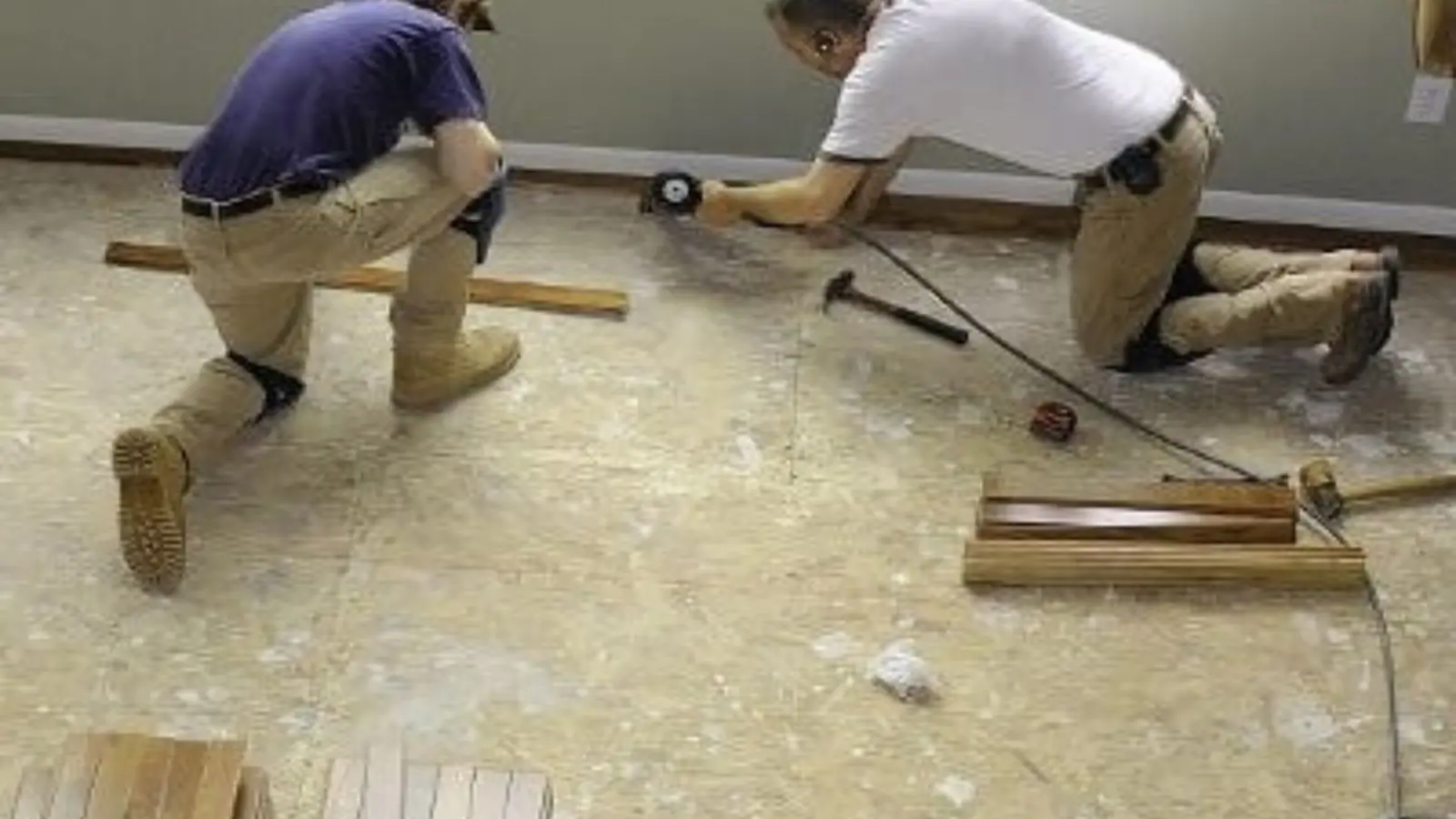
After drying passes, the rebuild replaces what was removed. That can mean drywall, insulation, paint, baseboard, flooring, and cabinet work. Our water damage repair team handles the rebuild as its own phase with its own lines.
Finish choices drive this section more than anything else. Matching existing flooring or cabinet style depends on what you select. Ask for allowances and options in writing, and decide before work starts.
Three questions to ask every bidder
What is the water category and why? Which materials come out and which dry in place? What is billed after mitigation, and what might change? Clear answers to these three questions cover most of the cost story.
Before you compare numbers
Gather the same information for each bidder: photos, the source of the water, and the date it happened. Ask all of them to write scopes for the same area. Households in Rancho Santa Margarita and other nearby cities can do the same.
Our emergency water removal crews start by stopping the spread, and that early work often limits the scope. Fast action reduces how much wet material has to come out, which usually reduces rebuild lines too.
Questions homeowners ask
Cost depends on water category, affected area, materials, and drying needs, and those need to be seen. A crew with moisture meters can map them. Call (949) 670-0939 for your real number.
Yes. Category 1 water from a clean source often allows more materials to dry in place. Category 3 water, such as sewage or floodwater, usually means porous materials are removed and surfaces are cleaned and disinfected.
Typical drying runs about 3 to 5 days, depending on materials and conditions. More days and more equipment add to the equipment lines. Daily moisture readings show when the structure reaches the dry reference.
They can, because of add-on scope. Homes built before 1978 may need a lead-safe firm for paint disturbance, and 1945 to 1978 coatings may contain asbestos. We do not do abatement, so ask for separate help before demolition.
It depends on the work, so ask the city building department. The Building and Safety Services Division can say what applies to your rebuild. Confirm who is responsible for pulling the permit before you sign.