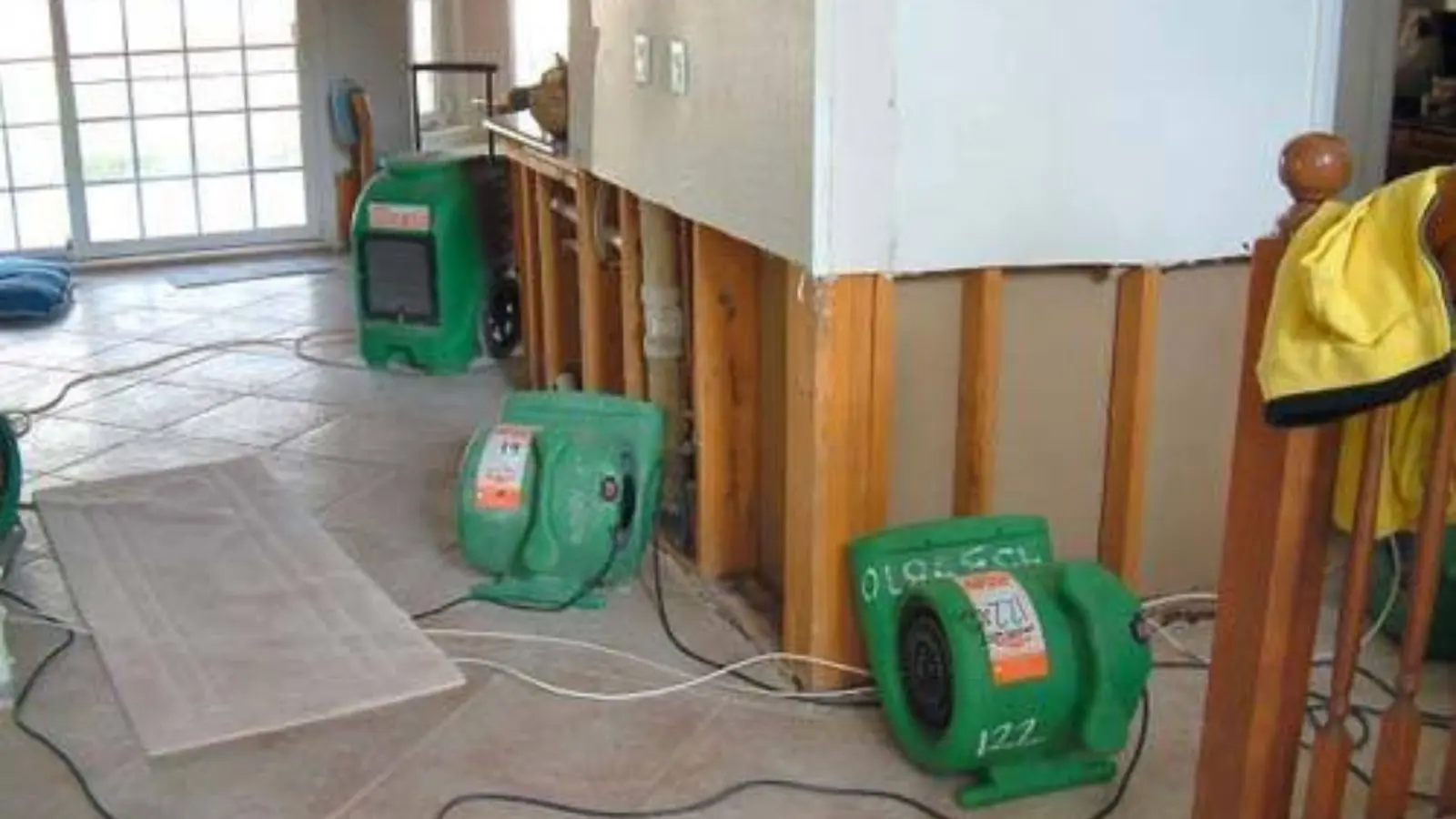
Water damage repair is the rebuild that comes after the water is out and the structure is dry. It replaces drywall, insulation, flooring, trim and paint so the room looks and works like it did before the loss. In Lake Forest, CA, it is also where permits, older materials and insurance paperwork meet.
If water is still present, start with emergency water removal and drying first, because rebuilding over damp framing traps moisture. Call (949) 670-0939 to talk through where your project stands.
Where repair starts: a dry reference reading
Repair should not begin until moisture readings in framing, subfloor and drywall match a dry reference from unaffected parts of the same house. Crews record these readings during drying, and the final set tells you the structure is ready for new materials.
That sequencing is why a company that handles both drying and rebuilding can save time. The same technician who logged the readings knows which cavities were opened, which insulation was removed and what the scope should include.
Ceiling and wall water damage repair
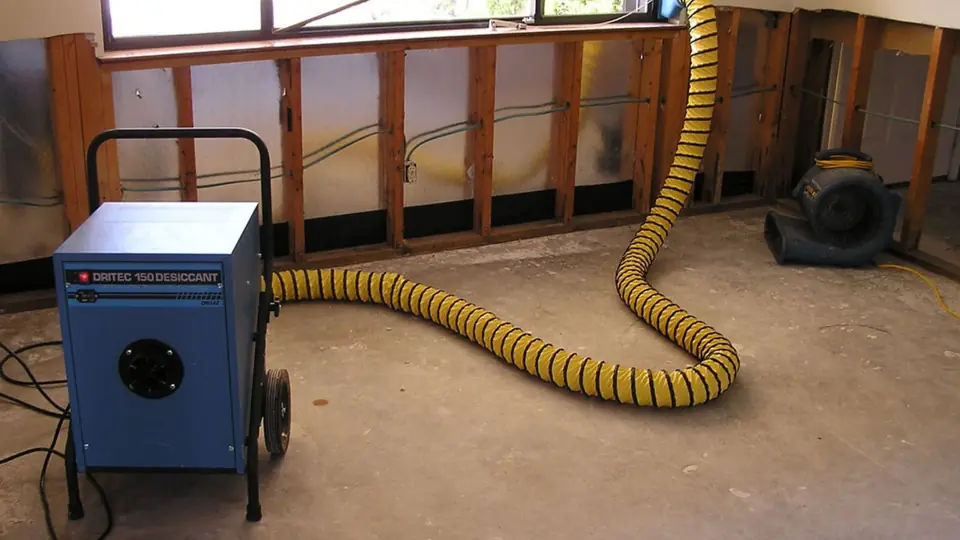
Ceiling and wall repairs are the most common repair calls we hear. A leak from an upstairs bathroom, a roof leak after winter storms or a supply line inside a wall leaves stained, sagging or soft drywall, and the visible stain is rarely the full extent of the damage.
A typical wall repair cuts out the affected drywall past the last wet reading, checks the framing and insulation, treats the cavity, replaces insulation where it was wet, hangs and finishes new drywall, then primes and paints. Matching texture is part of the job, and orange peel or knockdown finishes common on Southern California walls are matched by hand.
Ceilings add one step. If the ceiling coating was applied before 1978, state guidance says it may contain asbestos, and the homeowner should have it tested before any cutting. We do not do asbestos abatement and will tell you plainly when a job needs a registered abatement contractor first.
| Damage | What is usually replaced | What is usually kept |
|---|---|---|
| Stained ceiling, not sagging | Primer, paint, sometimes a drywall patch | Framing and most drywall once dry |
| Sagging or soft ceiling | Drywall section and wet insulation | Joists and unaffected drywall |
| Wall wicked up from a floor leak | Lower drywall, baseboard, paint | Studs and upper drywall |
| Cabinet base or vanity wetted | Toe kick, sometimes the cabinet box | Cabinet doors and countertops if intact |
| Subfloor swelled | Subfloor panels and finish flooring | Joists and slab |
What to do and what not to do before the rebuild starts
- ✓Do not close up a wall or lay new flooring until the drying log shows readings at the dry reference.
- ✓Do not paint over a stain to hide it. Stains return if the cause was not fixed.
- ✓Do keep photos, receipts and the written scope together for your insurer.
- ✓Do ask the contractor which license covers the rebuild and get the scope in writing.
- ✓Do ask whether the drying followed ANSI/IICRC S500, the published standard for water damage restoration.
Hardwood and laminate after a leak
Wood flooring reacts slowly. Cupping, where board edges rise, often shows days after a leak because the underside absorbed water first. Some floors dry in place, and others need boards lifted to let the subfloor dry, so the decision comes from moisture readings, not from how the surface looks.
After drying, boards are sanded and refinished where the damage is cosmetic, or replaced where the boards have moved permanently. Laminate and engineered products that swell at the seams usually need replacement.
Ready to plan the rebuild?
Call (949) 670-0939 and describe the damage. We explain the scope and the price before work starts.
What decides the repair price
Rebuild scope
Biggest driverA patch and paint is a small job. Replacing a ceiling, insulation and flooring across two rooms is a different project.
Materials and finishes
Varies widelyStock drywall costs less than custom cabinets, stone, or matched hardwood.
Hidden damage found during demolition
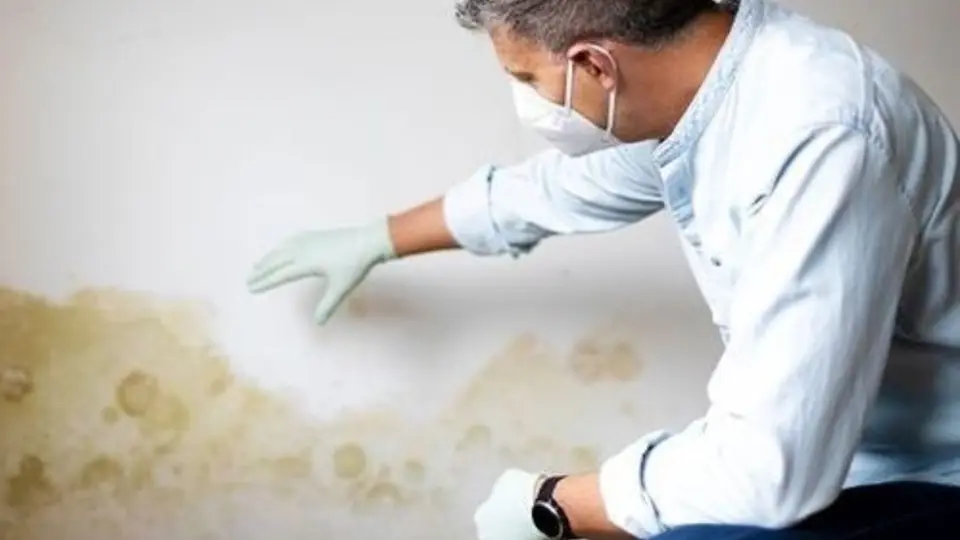
Can change scopeOpening a wall may reveal wet framing or insulation that was not visible from the surface.
Permits and inspections
Depends on the workPermit rules vary by job, so ask the city building department before structural or electrical work.
Home age
Adds steps in older homesHomes built before 1978 may need lead-safe work practices, and older ceiling coatings may need asbestos testing.
Insurance policies often cover repair after sudden and accidental water damage, while repair of gradual leaks may be excluded. Check your policy and ask your insurer what documentation it wants. Your claim file is stronger when drying logs, photos and a written scope all come from the same company.
Related work often follows from repair. If a leak left odor or discoloration inside a wall, read about mold remediation before closing the cavity. Homeowners in Laguna Hills and Rancho Santa Margarita can ask the same questions when they call.
Water Damage Repair questions from Lake Forest homeowners
Repair starts after moisture readings show the structure is dry. That is usually after drying equipment has run for several days, though the timeline depends on materials and the size of the loss.
Yes. Walls and ceilings are primed and painted, and common textures are matched by hand. Perfect matches on large faded walls sometimes need the full wall painted, and we will say so in the scope.
Yes. Drywall, insulation, baseboards, flooring and paint are part of repair work. Cabinet and fixture replacement is scoped on the same written estimate.
Permit rules vary by project. Ask the Lake Forest Building and Safety Services Division whether your scope needs one, and we will work with the inspector's requirements.
That depends on your policy and the cause of the loss. Sudden and accidental water damage is often covered and gradual leaks often are not. Ask your insurer and keep every receipt.