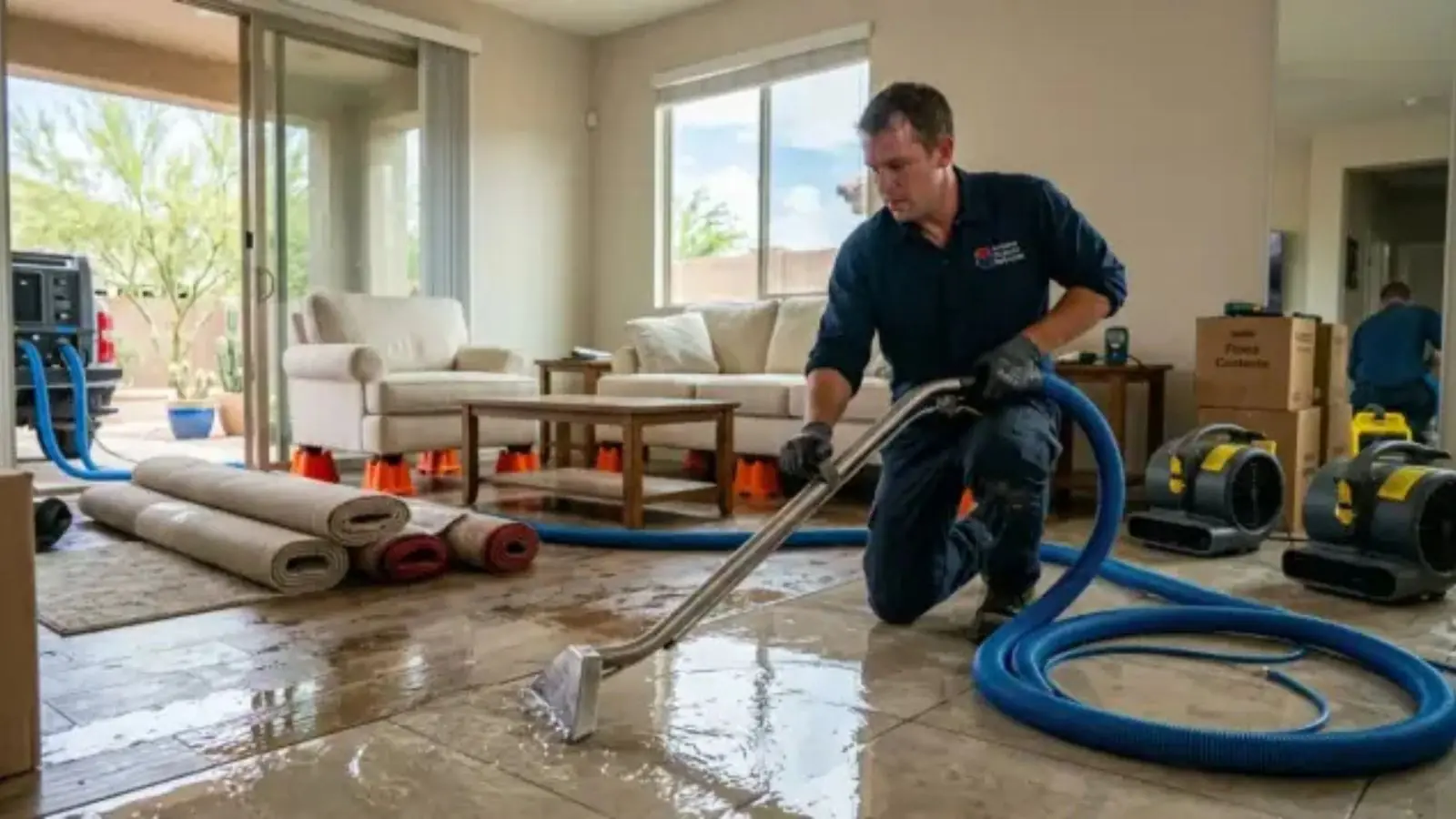
Standing water in a Lake Forest home is an emergency, and the first hour matters more than the second day. Call (949) 670-0939 any time, day or night. While you wait, stop the source if you can, shut off the main water valve, turn off power to wet areas only if the panel is dry and safe to reach, and lift small valuables off the floor.
Emergency water removal means pulling standing water out of a building with pumps and extraction units so drying can start. It is the first physical step after the leak or flood is stopped, and everything that follows depends on how quickly the bulk water leaves the structure.
When standing water is an emergency
Not every wet floor needs a crew at 2 a.m., but several situations do. Water above the baseboards, water reaching electrical outlets or the panel, water moving into a second room, and any water that came from a sewer line or outside flooding all call for immediate help.
Our dispatch line runs after hours, on weekends and on holidays. Same-day response is offered when crews are available, and the dispatcher will tell you honestly what is possible for your address when you call.
Stop the source
Close the main water shutoff valve or the fixture valve. If you cannot find it, ask your water utility what help it offers for your address.
Protect people and power
Stay out of rooms where water touches outlets or the panel. Call 911 or your utility for any electrical or gas concern before calling us.
Save what you can
Lift small items, pull up rugs and keep people and pets out of any water that might be contaminated. Take photos before you move things.
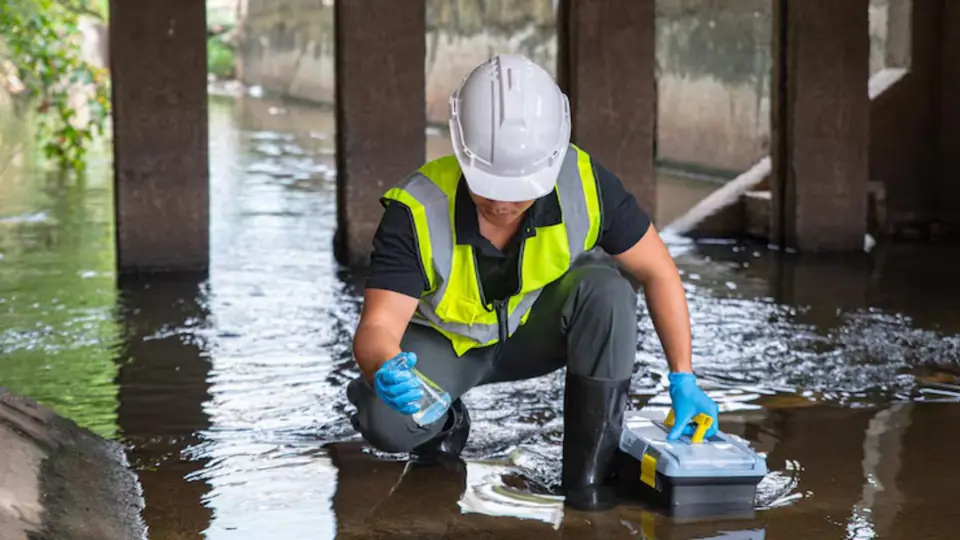
What crews bring and what they do on site
A typical job starts with a quick walkthrough with a moisture meter and, where useful, a thermal imaging camera to see where the water traveled behind finishes. The crew then sets up pumps or truck-mounted and portable extraction units and pulls the standing water first.
Once the bulk water is gone, the same visit usually includes lifting wet carpet and pad where they cannot be saved, cutting flood cuts in drywall where wicking has started, and setting air movers and dehumidifiers. The handoff from removal to drying should happen in the same day, which is why water mitigation is planned from the first minute.
| Source | Typical water category | What it means for the job |
|---|---|---|
| Supply line or pipe break | Category 1 | Clean source. Fast extraction and drying often save carpet pad and drywall. |
| Washing machine or dishwasher overflow | Category 2 | Some contamination. Porous materials are checked and often removed. |
| Sewer backup or rising floodwater | Category 3 | Grossly contaminated. Porous materials come out and surfaces are disinfected. |
| Roof or window intrusion in a storm | Category 1 to 2 | Depends on contact time and materials. Insulation and ceilings are inspected. |
Burst pipe water damage
A burst or failed pipe is the most common reason people call us at odd hours. Supply lines under sinks, washing machine hoses, water heater connections and lines inside walls can release a lot of water quickly, and the flow does not stop until someone closes a valve.
Close the main valve first, then open a low faucet to relieve pressure. Take photos of the source and the wet areas, then call a plumber for the repair and call us for the water. We remove and dry the structure, and a plumber fixes the pipe. Those are separate trades, and good communication between them keeps the timeline short.
If the break is inside a wall, the water often follows the framing and shows up in the next room or in the ceiling below. That hidden spread is why crews scan with a moisture meter before they decide what to open, rather than only pulling out what looks wet.
Water on the floor right now?
Call (949) 670-0939. The line is open 24/7 and a dispatcher will walk you through the first steps.
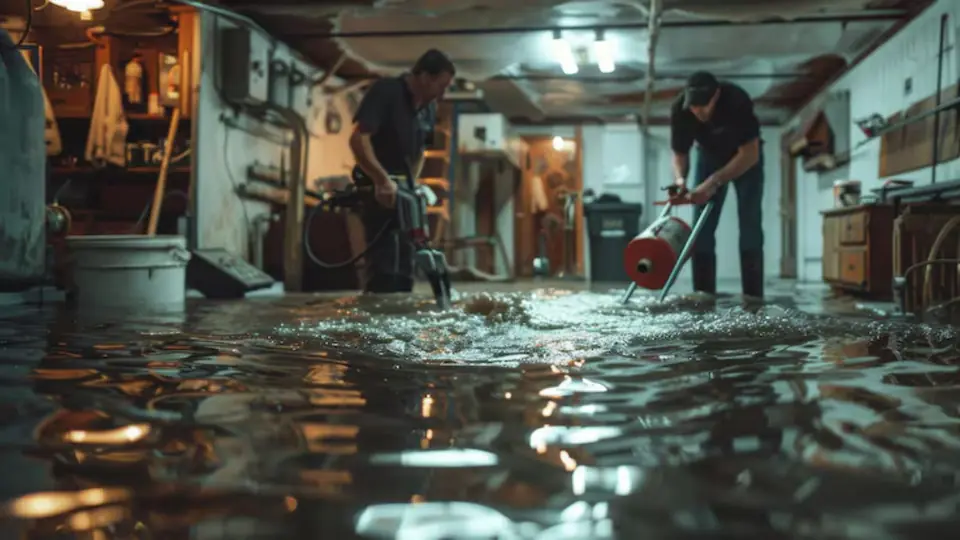
What affects the cost of emergency extraction
Price is set by the job in front of us, so we explain the scope and the price before work starts. These five factors move the number most, and none of them has a fixed figure that fits every home.
Amount and depth of water
Moves the scope mostInches of water across a large area takes more pumping time and more extraction passes than a localized spill.
Water category
Changes materials and processCategory 2 and 3 water means more removal of porous materials and added disinfecting steps.
Affected area and number of rooms
Sets equipment countMore wet square footage means more air movers and dehumidifiers on site.
Materials involved
Changes what is savedHardwood, carpet pad, drywall and insulation react differently to the same water.
Drying days and monitoring
Adds visitsEquipment stays until moisture readings reach the dry standard, so drying days vary by job.
Many homeowners policies cover sudden and accidental water damage, while gradual leaks and flood are often treated differently. Check your policy or ask your insurer, and keep photos and receipts. We document the loss in writing so you have it for your claim.
Want your real number? Call (949) 670-0939 and describe the water. If the loss is spreading into the next room, ask about the Flood Damage Restoration process, and once the area is dry, repair work can rebuild what was removed. We also send crews to Mission Viejo and Irvine from our Lake Forest base.
Emergency water removal questions
Yes. The dispatch line at (949) 670-0939 is answered 24 hours a day, including weekends and holidays. Same-day response is offered when crews are available, and the dispatcher will tell you plainly what is possible for your address.
Close the main water valve, stay out of water that touches outlets or the panel, lift small valuables and take photos of the source and the wet areas. If there is any electrical or gas risk, call 911 or your utility first.
Yes. Extraction is the first stage and drying equipment is normally set in the same visit. Drying continues with moisture readings until the materials reach the dry standard for that job.
No. A plumber repairs the pipe. We remove the water, dry the structure and handle the repair of walls, floors and finishes afterward.
Yes. Sewage and floodwater are Category 3, so porous materials usually come out and surfaces are disinfected. Stay out of the water until a crew assesses it.