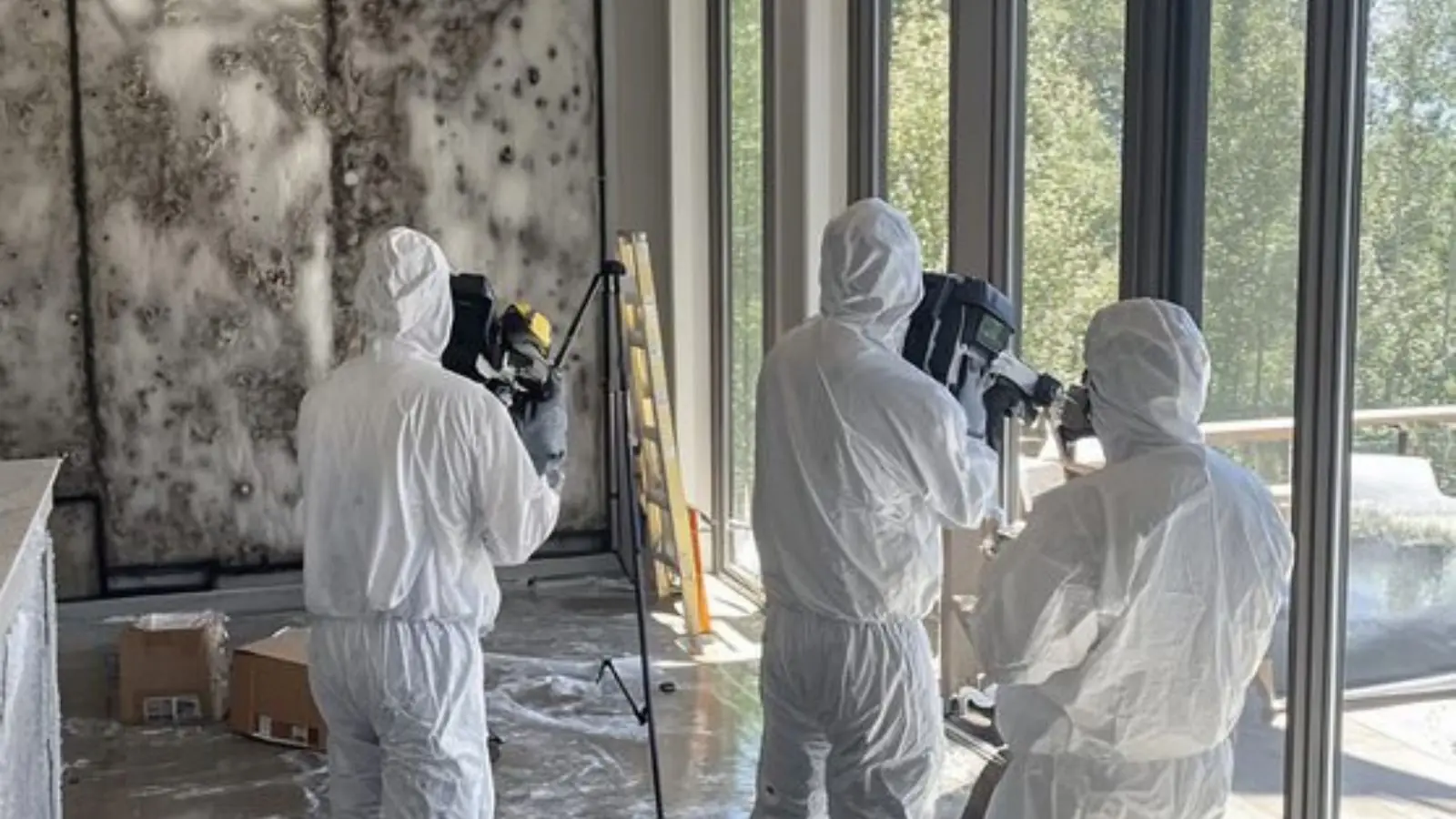
Professional mold removal services in Lake Forest, CA are companies that contain, remove, and dry mold-affected areas using a documented process. The hard part for homeowners is that the state does not hand out a mold license, so there is no easy badge to look for. A company that sounds confident on the phone may or may not follow any standard at all.
That is why the vetting questions matter more than the sales pitch. A short list of specific questions, plus a written scope, sorts careful companies from careless ones within one conversation. This guide gives you the questions, the answers worth hearing, and the warning signs.
Start from what the state does and does not check
With no mold license, anyone can advertise remediation. What you can verify is smaller but still useful: whether the company is a licensed contractor for the building work, whether it carries insurance, and whether it can describe its method in terms of a published standard. ANSI/IICRC S520 is the standard for mold remediation, and any company can be asked how it applies it.
We are licensed and insured restoration professionals, and we will answer these same questions for you at (949) 670-0939. Ask every company the same list and compare notes. The differences show up quickly.
The questions that sort good from careless
Good answers are specific. They name equipment, steps, and what is billed separately. Vague answers such as "we handle everything" usually mean the scope has not been thought through.
| Question to ask | A good answer | A warning sign |
|---|---|---|
| Do you follow S520? | Yes, and explains how it shapes containment and cleaning | Never heard of it, or says it is optional |
| Can I get the scope in writing? | Itemized by room, material, and method | A single lump number with no detail |
| Who fixes the water source? | A plumber or roofer, with the crew confirming dryness | Claims to fix everything or ignores the source |
| What is your containment plan? | Sealed barriers, negative air, HEPA filtration | Open doors and a box fan |
| What is not included? | Names rebuild, testing, plumbing as separate | "Everything is included" with nothing listed |
| Who is licensed for the rebuild? | Gives a contractor license to verify | Dodges the question or cannot name one |
Written scope: the document that protects you
A written scope is the single best vetting tool. It lists the rooms, the materials coming out, the cleaning method for what stays, the drying equipment, and the readings that mean the structure is dry. If two companies write scopes that look nothing alike, ask both to explain the difference.
Compare scopes line by line instead of comparing totals. One may include HEPA air scrubbing and daily moisture logs, while another skips them to look cheaper. Skipped steps are not savings.
- Ask each company to walk the affected area and take readings before quoting
- Request the scope as a written document with rooms and materials named
- Check that containment, HEPA air filtration, and drying are listed
- Confirm what is billed separately, such as the rebuild
- Ask who is licensed for any drywall, framing, or finish work
Who fixes the water, and who rebuilds
Mold follows moisture, so a company that cleans without finding the source is setting you up for a second visit. The fix is a plumber for a pipe, a roofer for a roof, and an appliance technician for a failed line. Our crews do not do plumbing repair or roofing, and we say so up front.
Rebuild is its own question. Once wet drywall and insulation are out, someone has to put the walls back, and our water damage repair team handles that as a separate phase of the job. Ask any company whether rebuild is in the same agreement or a different one, and who holds the license for it.
Red flags worth walking away from
Any one of these should slow you down. Several together should end the conversation.
- ✓A quote given over the phone without anyone seeing the area
- ✓Pressure to sign today or pay the full amount up front
- ✓No mention of containment or air filtration
- ✓Plans to paint over or spray a coating on stained material
- ✓Cannot say who is licensed to rebuild
- ✓Claims that mold will never return
The last item deserves a note. No one controls whether moisture returns, so an honest company promises a documented dry structure and a fixed source, not permanent absence. If a company promises permanence, treat the promise as a sales line.
Comparing mold removal companies?
Call us with your scope questions and we will answer them plainly.
Comparing bids without being fooled by totals
Lay the written scopes side by side. Check which one includes containment, HEPA filtration, daily moisture readings, disposal, and a final dryness check. The lowest total often leaves something out that you pay for later.
Also look at what the company will not do. An honest bid says "we do not test for mold" or "plumbing is separate" in plain words. That clarity beats a bid that promises everything and defines nothing.
The three-call test
Call three companies and ask the same six questions. Notice who answers directly, who asks about your house first, and who tries to close the sale before seeing the room. The one that asks about the water source and the materials is usually thinking like a remediator.
After you choose
Get the signed scope, the start date, and the sign-off criteria in writing. Ask for copies of the moisture logs when the job ends. Our mold remediation crews work from a written scope with daily readings, and you can ask any company for the same.
Households around Mission Viejo often ask whether a neighbor's recommendation is enough. A referral helps, but your own house has its own moisture history, so still ask for a scope written for your walls.
Questions homeowners ask
No. The California Department of Public Health says there is no state license for mold assessors or remediators. That is why you should ask about S520, get a written scope, and verify the contractor license for any building work.
ANSI/IICRC S520 is a published industry standard for professional mold remediation. It covers practices such as containment, air filtration, and removal. Asking a company to explain how it applies S520 reveals whether it has a process or just a sales line.
Usually not. A plumber fixes a pipe and a roofer fixes a roof. The removal company should find the moisture source, confirm it is stopped, and dry the structure so the repair has a dry place to start.
Scopes differ. One bid may include HEPA air scrubbing, daily moisture readings, and a final check, while another leaves them out. Compare line items, and ask each company what its number does not include.
It depends on the job, so ask the city building department. The Building and Safety Services Division at 949-461-3460 can say what applies to your work. Also confirm who holds the contractor license for the rebuild.